Analog & HD Cameras
Fixing Signal Degradation in Long Analog and Hybrid Camera Runs
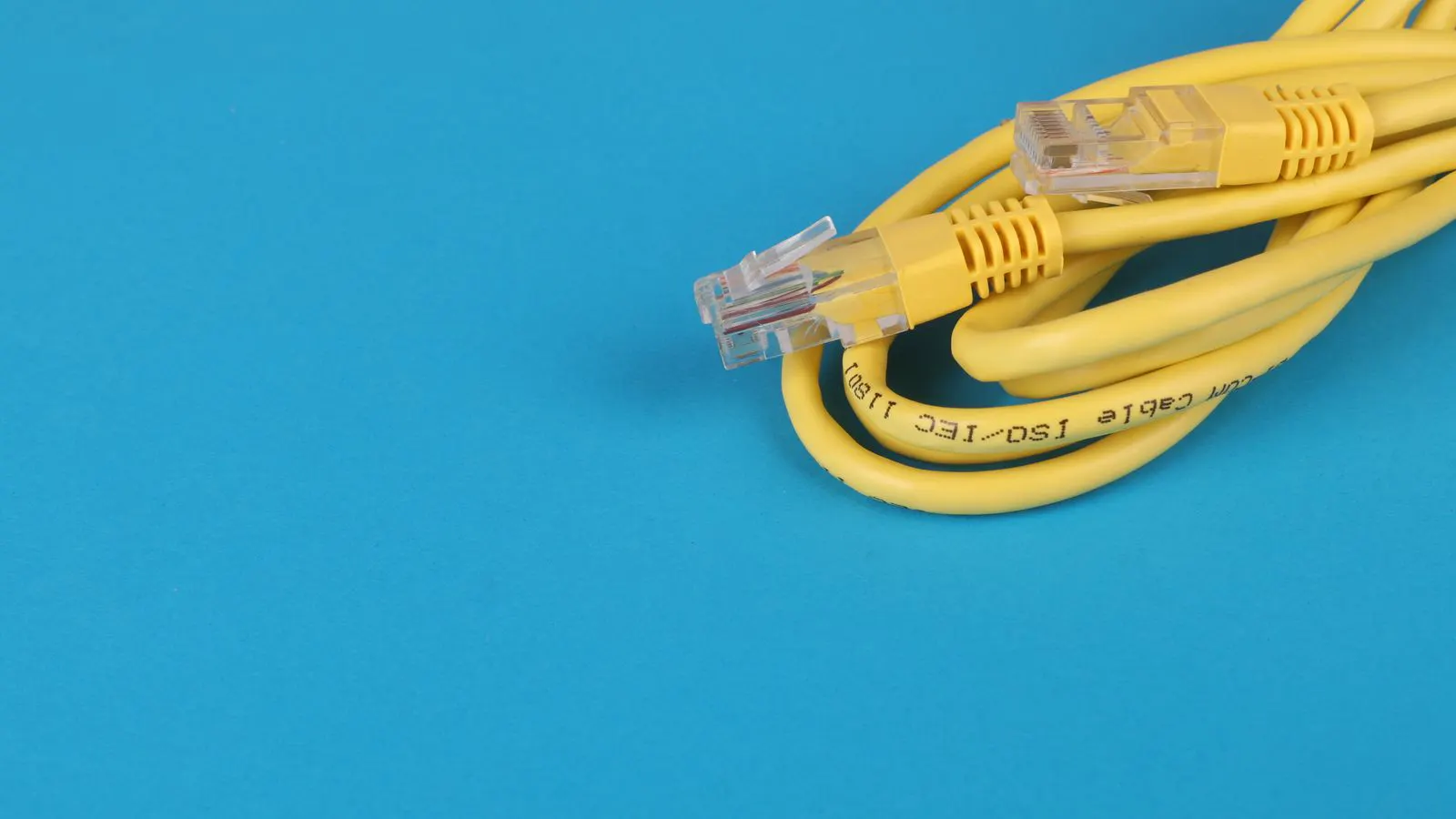
Long analog and hybrid runs degrade video quality due to impedance mismatch, poor termination, and excessive cable length. Use balanced cables, proper gain settings, and
Nov 21, 2026 · 15 min read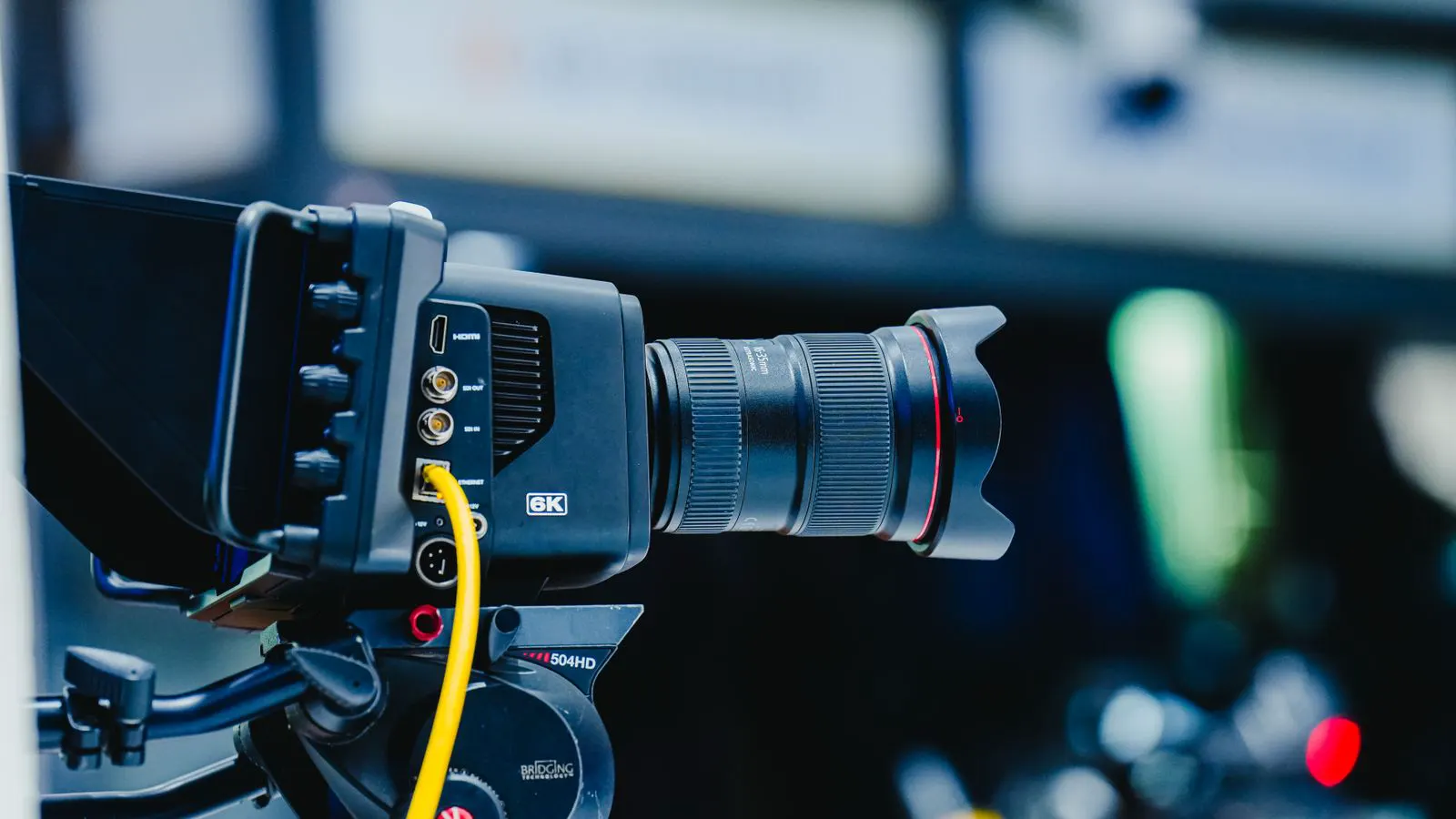
Analog & HD Cameras
Pre-Survey Checklist: Verifying Power and Cabling for Hybrid CCTV
This checklist verifies site infrastructure for mixed camera deployments. It covers power capacity, coaxial cable condition, conduit access, and NVR bandwidth. Use it to
Nov 10, 2026 · 7 min read
Analog & HD Cameras
Analog vs HD-TVI vs HD-CVI: Bandwidth and Cable Limits Explained
Analog cameras use low bandwidth on long coaxial runs, while HD-TVI and HD-CVI improve image quality over similar cable lengths. Understanding these limits helps buyers
Nov 9, 2026 · 8 min read
Analog & HD Cameras
The Future of CCTV: Analog Legacy vs IP Ecosystems
Analog systems remain reliable but lack modern features. IP ecosystems offer flexibility and integration. Buyers should plan for hybrid deployments, network upgrades
Nov 6, 2026 · 6 min read
Analog & HD Cameras
Fixing Analog CCTV: 10 Common Signal and Power Issues
Analog camera failures usually trace to dirty connectors, damaged coax, or unstable power. This guide lists ten common signal and power issues with fixes for analog
Oct 29, 2026 · 8 min read
Analog & HD Cameras
IP Camera Rollout: 12-Point Pre-Installation Checklist
A structured 12-point checklist helps project managers verify network capacity, power delivery, and physical mounting before deploying IP cameras. It identifies common
Oct 22, 2026 · 6 min read
Analog & HD Cameras
HD-CVI vs IP: Cost, Lead Time, and Total Ownership
HD-CVI cameras usually cost less upfront and have shorter supply chains than IP cameras. However, IP systems often offer lower long-term maintenance costs. This guide
Oct 17, 2026 · 6 min read
Analog & HD Cameras
Analog to IP Migration: A Step-by-Step Deployment Plan
This guide outlines a practical process for migrating an analog CCTV system to IP cameras. It details prerequisites, cabling, power, network configuration, and final
Oct 13, 2026 · 7 min read
Analog & HD Cameras
Analog Camera System Buyers Guide: Specs and Setup
Prioritize resolution, lens choice, encoder quality, and network capacity when buying analog CCTV. Compare HD-TVI and HD-CVI, check NVR compatibility, and verify cable
Oct 11, 2026 · 8 min read
Analog & HD Cameras
HD-TVI vs HD-CVI: Which Analog Technology Fits Your Site?
HD-TVI cameras handle lower bandwidth and longer cable runs better, while HD-CVI cameras offer sharper images and stronger resistance to interference. The right choice
Oct 7, 2026 · 11 min read
Analog & HD Cameras
Analog vs IP Cameras: Key Differences for Professional Buyers
Analog vs IP cameras differ in signal transmission, power delivery, and data handling. Analog systems use coaxial cables and centralized processing, while IP cameras
Oct 7, 2026 · 6 min read