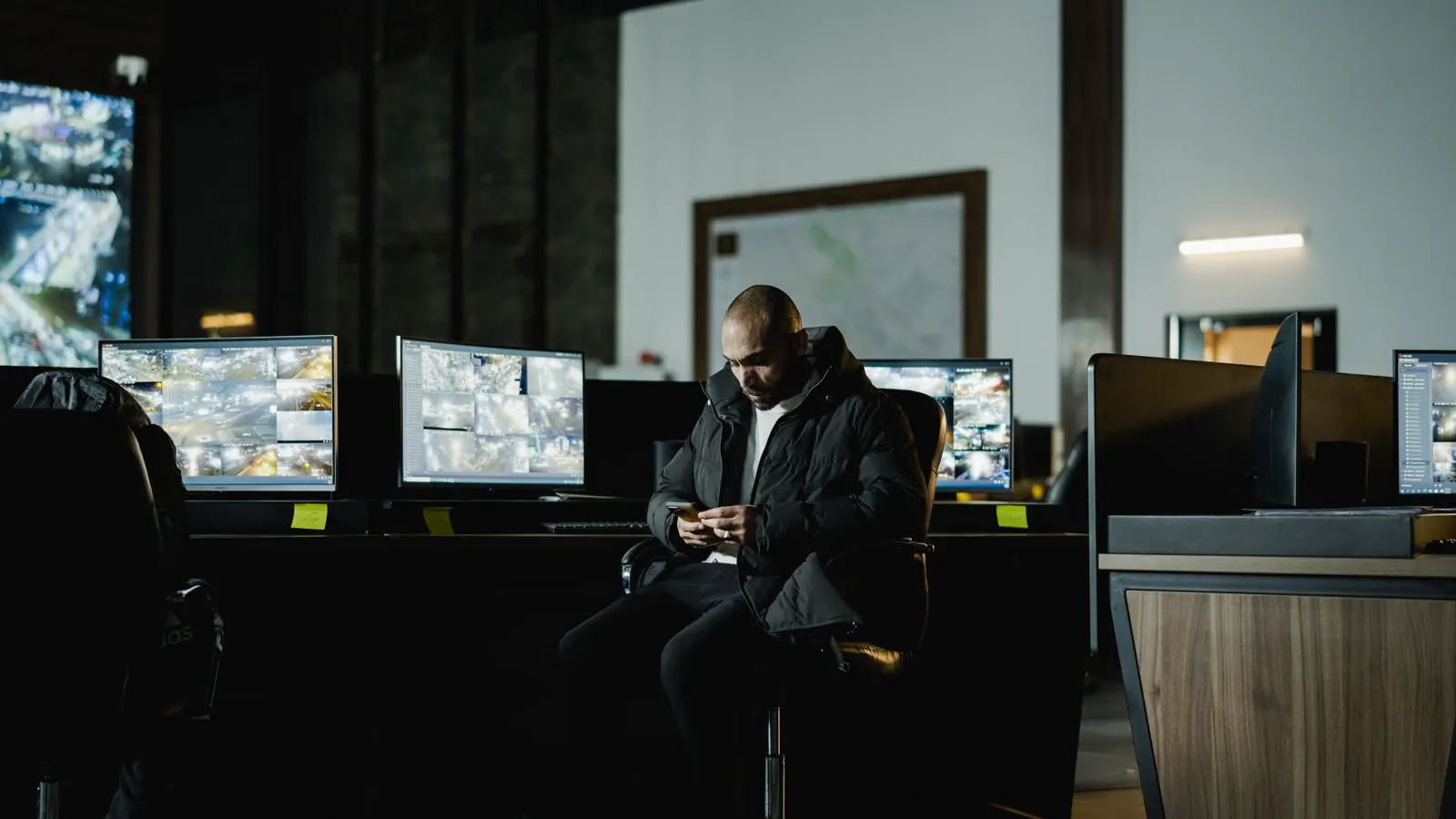
Video Analytics
Video Analytics: What Procurement Teams Need to Know
Video analytics turns raw video into actionable data. Procurement teams must define specific use cases before evaluating AI security cameras. This guide explains how to
Practical guidance for selecting secure surveillance systems.
Security camera buyers must select cameras, recorders, and accessories that fit site conditions, network rules, and long-term maintenance. This site breaks down the choices into specific, comparable factors: resolution, frame rate, lens type, storage retention, and power delivery.
Each guide explains what a spec sheet actually means and how to verify it in the field. You will find clear comparisons between IP and analog options, practical storage planning, and the cybersecurity checks that matter before installation.
Start with the stage of the sourcing process you are in.
Explore IP camera types, resolutions, codecs, and networking basics for professional video surveillance installations.
Compare analog, HD-CVI, and HD-TVI systems with IP options to choose the right camera technology for your site.
Learn how to select NVRs, retention periods, and storage capacity for reliable and efficient video surveillance.
Discover how video analytics and AI features enhance detection, reduce false alarms, and improve security operations.
Review network security practices, compliance, and best methods to protect surveillance systems from cyber threats.
Understand budget planning, installation costs, and total ownership for designing a scalable and cost-effective system.
Learn how to evaluate suppliers, check certifications, and ensure long-term support for your video surveillance project.
Video analytics turns raw video into actionable data. Procurement teams must define specific use cases before evaluating AI security cameras. This guide explains how to
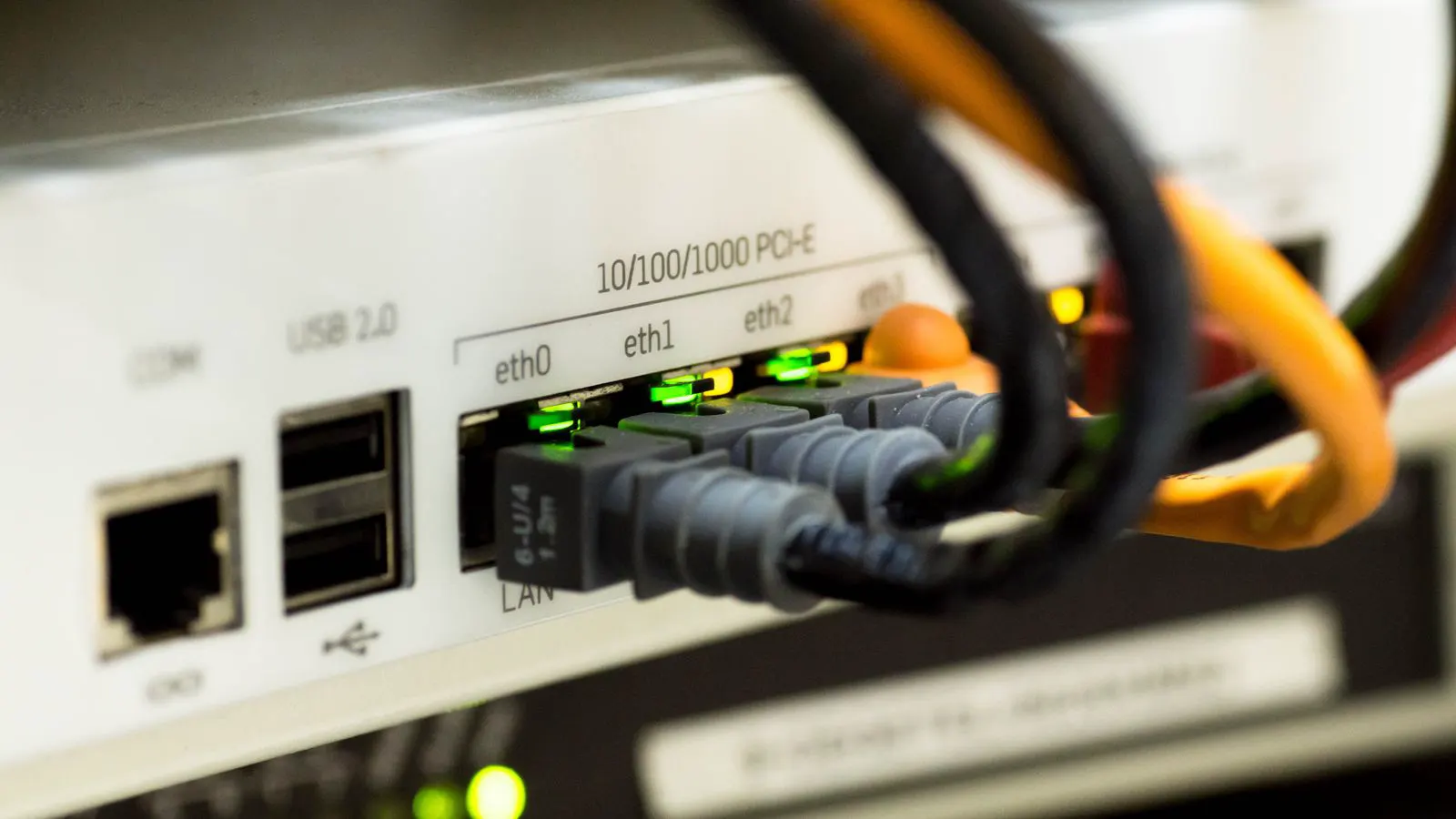
IP camera authentication failures usually stem from mismatched credentials, misconfigured network settings, or time synchronization errors. This guide lists common
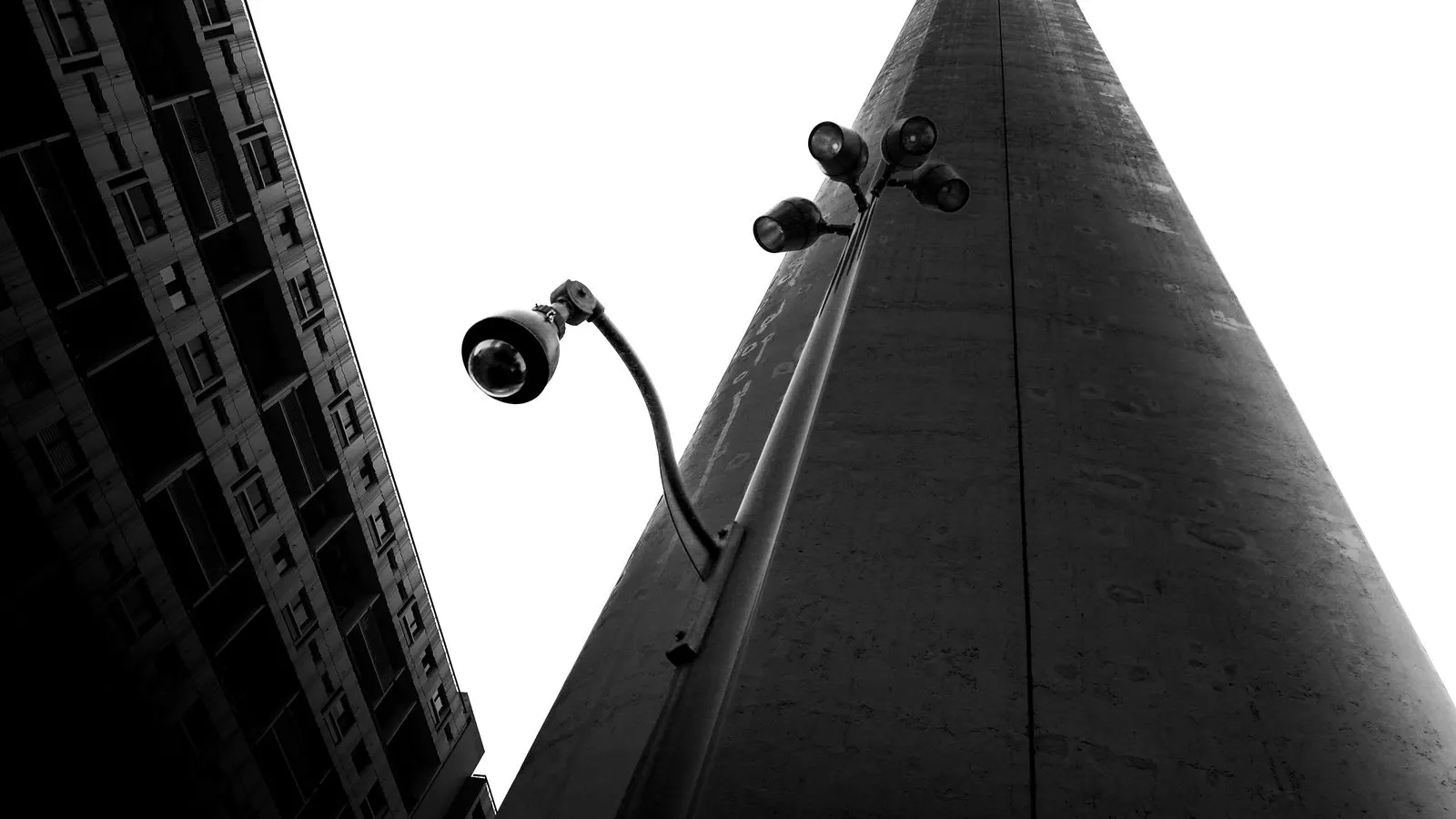
Analog vs IP cameras differ in signal transmission, power delivery, and data handling. Analog systems use coaxial cables and centralized processing, while IP cameras
CCTV cost includes cameras, recorders, cabling, labor, and software. Understanding each line item helps you avoid hidden expenses and choose a system that fits your

Verify CCTV vendor certifications by checking registry numbers, cross-referencing documents, and reviewing audit reports. This method confirms that a security supplier
Determine IP camera bandwidth by multiplying camera count by bitrate and frame rate. Account for storage, network headroom, and VMS overhead to build a stable video
Check your network capacity, the distance from the camera to the recorder, and whether you need future upgrades. IP cameras transmit data over Ethernet and are easier to add digital overlays to. Analog or HD-over-Coax systems use dedicated video lines and are often cheaper for long runs. Your choice depends on existing infrastructure, budget, and whether you plan to scale the system.
Retention is set by event frequency and disk capacity. A single camera at a standard resolution may need less space than a high-resolution camera at 60 frames per second. Calculate total bitrate across all channels, then multiply by the number of days you need to keep footage. Add at least 20 percent headroom for disk wear and system overhead.
Request a sample unit and check its firmware update history. Ask for references from similar projects and review their warranty terms. Confirm that they can provide spare units and technical support in your region. A supplier with a clear response time for field issues is more valuable than a lower upfront price.
Unsecured default logins, outdated firmware, and cameras on the same network as business systems are the most common risks. Segment camera traffic on a dedicated VLAN, use strong unique passwords, and enable two-factor authentication where available. Disable unused services such as UPnP or Telnet, and patch firmware on a regular schedule.
Match the focal length to the viewing distance and the detail you need. A 4 mm lens covers a wide area but does not show fine detail at a distance. A 12 mm or 25 mm lens zooms in on specific zones. Check the field of view, minimum focus, and whether the lens is fixed or varifocal. Outdoor lenses must have a high IP rating to survive weather.
Ask for a written delivery estimate based on current stock, not a generic promise. Confirm whether the quoted lead time includes customs clearance if you are importing. Request a partial shipment option if the full order is delayed. Clarify who bears the cost if a component is out of stock and a substitute is proposed.