Cost and Lead Time for Secure CCTV Systems
Secure CCTV costs depend on camera resolution, network segmentation, NVR hardening, and compliance requirements. Lead times vary based on custom hardware and site complexity. A clear RFQ and structured quote comparison help buyers budget and schedule deployments accurately.
- Secure CCTV costs rise with network segmentation, hardened NVRs, and compliance features.
- Lead times extend when custom cabling, site surveys, or specialized NVRs are required.
- A structured RFQ with clear specs improves quote accuracy and comparison.
- Always budget for installation, integration, and ongoing support.
What Drives the Cost of Secure CCTV Systems
Secure CCTV costs vary widely depending on the scale of the deployment and the security controls required. A small office with two PoE cameras and a basic NVR costs far less than a warehouse with dozens of IP cameras, hardened NVRs, and segmented network infrastructure. The price also depends on the level of compliance, such as data retention, encryption, or access controls.
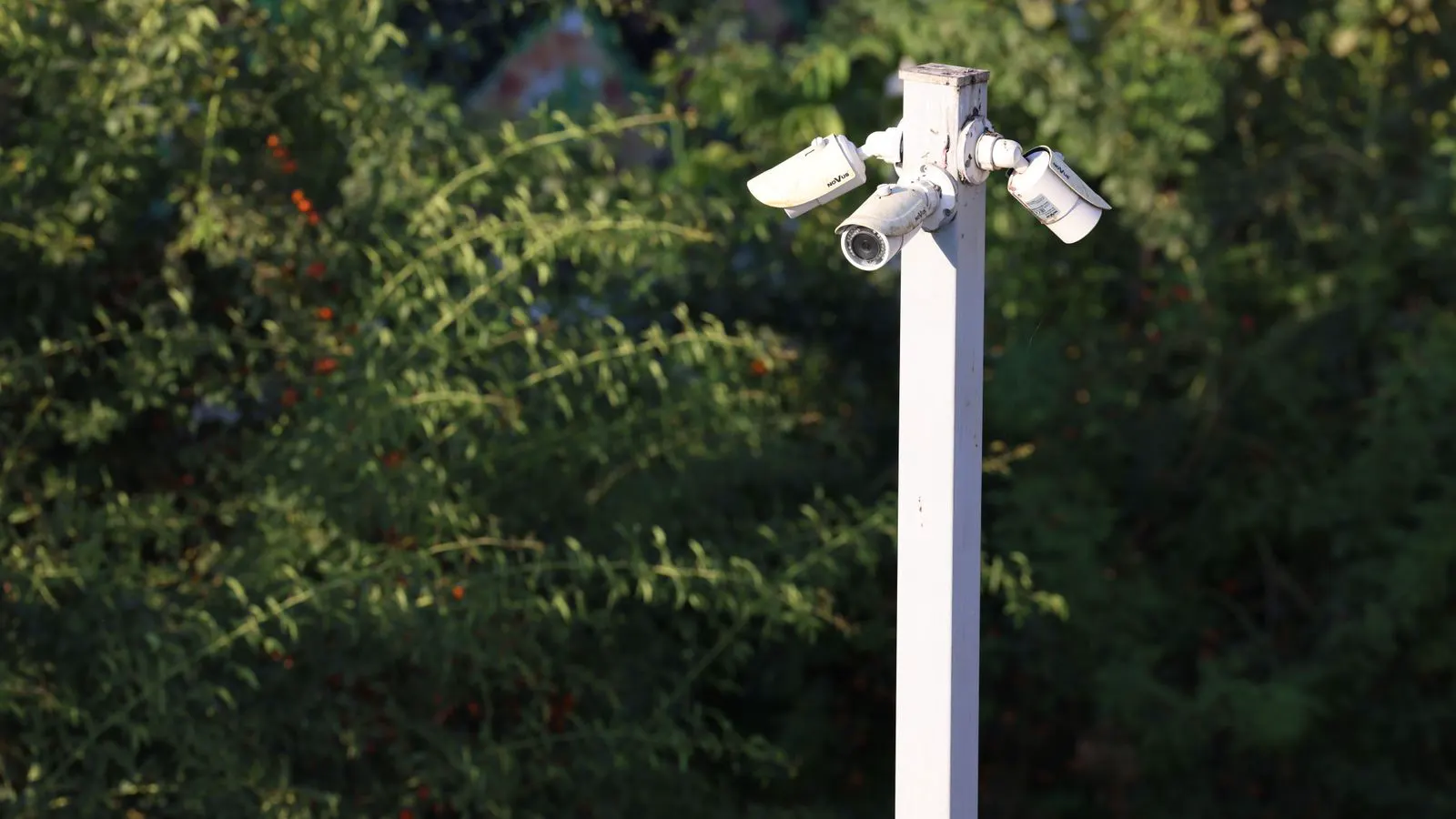
Camera selection is the first major cost driver. High-resolution cameras with low-light performance or PTZ motors cost more than fixed bullet or dome cameras. For secure environments, buyers often choose cameras with physical tamper detection or higher IP ratings. These features add to the unit price but reduce long-term risk. Consider the specific application before selecting hardware. A lobby camera needs different capabilities than a perimeter fence camera. A dome camera inside a building protects against vandalism, while an outdoor bullet camera must handle rain and temperature extremes. The IP rating dictates the material of the housing and the cost of the lens seal. Higher ratings require better gaskets and more expensive materials. PTZ cameras add mechanical parts that wear out over time. The gimbal and motor assembly are expensive components. If the camera requires constant panning and zooming, the mechanical wear increases maintenance needs. Fixed cameras are cheaper to buy and maintain, but they cover a smaller area.
Network design significantly affects cost. Segmented surveillance networks require additional switches, VLANs, or firewalls. A flat network is cheaper to build but harder to secure. Hardened NVRs with built-in authentication, firmware signing, or encrypted storage cost more than standard units. The NVR is often the most expensive single component in a small system. The processor inside the NVR determines how many streams it can handle. If you need high-resolution video from many cameras, the NVR needs a powerful CPU and a large number of decoding slots. This increases the price. Also, the storage architecture matters. Standard NVRs use internal hard drives. Secure systems often require RAID arrays or external storage to ensure data integrity. If the NVR crashes, you lose access to the footage. RAID protects against single disk failures. The cost of drives is not negligible. Enterprise-grade hard drives cost more than consumer drives and last longer under heavy load.
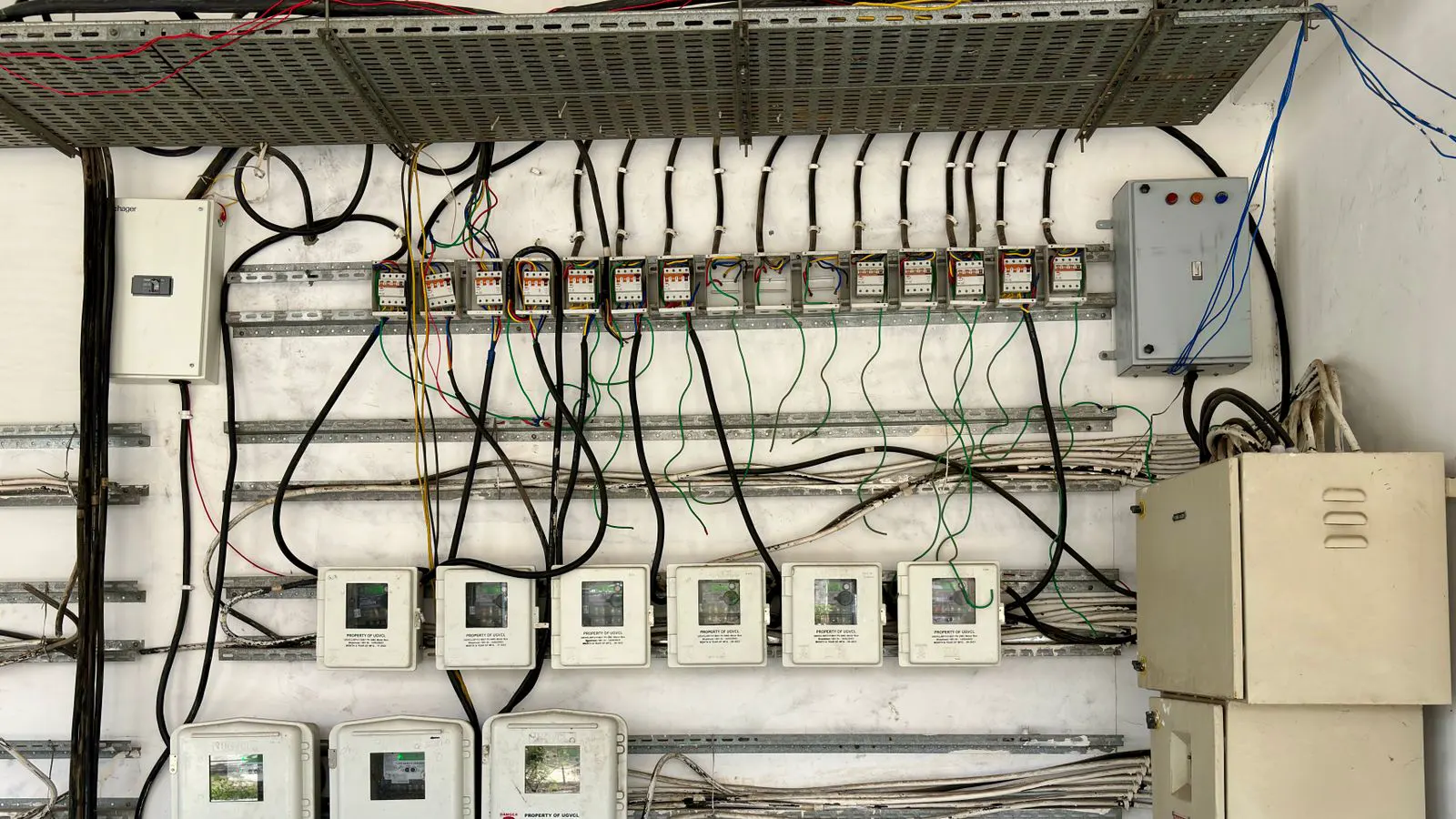
Cabling and installation add to the total. Structured cabling in existing buildings can be simple, but new runs in concrete or outdoor environments require conduit, weatherproofing, and labor. Remote sites may need microwave links or cellular backhaul, which increase both hardware and maintenance costs. The type of cable matters. Cat6 cable is standard for most indoor runs. For outdoor runs, you need direct burial cable or cable inside conduit. The conduit protects the cable from physical damage and moisture. Concrete drilling is labor-intensive. It requires special tools and creates dust. The labor cost is often higher than the cost of the materials. In a warehouse, the ceiling height may require a lift or a scaffold. This adds to the installation time and cost. Power is another factor. PoE cameras draw power from the network switch. If the switch is far from the camera, the cable length may limit the power delivery. You may need to extend the run with a PoE extender or use a separate power source. This adds hardware and labor.
Compliance requirements also influence pricing. If the system must meet specific data retention, audit logging, or encryption standards, the NVR and storage architecture must be selected accordingly. Compliance can drive up storage costs and require certified hardware. For example, if you need to keep video for 90 days instead of 30 days, you need three times the storage capacity. This means more hard drives or larger drives. The NVR must also be configured to handle the increased write load. If the NVR is not sized correctly, it may lose frames or fail during peak usage. Audit logging requires the NVR to record every login, every configuration change, and every export of video. This creates a larger log file and requires more processing power.
How Lead Time Affects Secure CCTV Procurement
Lead times for secure CCTV systems depend on hardware availability, site complexity, and compliance requirements. Standard PoE cameras and NVRs are often in stock or available within weeks. Hardened NVRs or specialized cameras with custom features may take longer.
Site preparation is a major factor. If the site requires new conduit, drilling, or weatherproofing, lead time extends. A warehouse with existing cabling runs is faster than a new construction project. Remote sites with limited access may require specialized tools and more labor.
Compliance and certification add time. If the NVR or camera must meet specific standards, vendors may need to source certified units or configure the system accordingly. This can extend procurement and integration time.
Installation and testing also affect delivery. A small system with two cameras can be installed in a day. A large deployment with dozens of cameras, network segmentation, and NVR configuration takes weeks. Testing includes verifying network isolation, authentication, storage, and recording.
Lead time is not just about shipping. It includes the time needed to plan the project. The site survey phase determines where the cameras go and what infrastructure exists. If the survey reveals obstacles, such as thick walls or no power access, the design changes. This delays procurement. The order of operations matters. You cannot order the cameras until the site survey is complete. You cannot install the cameras until the conduit is laid. Each step adds time. If the conduit is not ready, the installers cannot start. If the NVR is not configured, the cameras cannot be connected. The project manager must track these dependencies. A delay in one phase delays the whole project.
How to Write a Clear RFQ for Secure CCTV
A clear RFQ reduces quote variance and improves comparison. Start by listing the site, number of cameras, resolution, and placement. Include network requirements, such as switch count, VLANs, or firewall rules. Specify NVR requirements, including storage capacity, retention period, and compliance features.
Include the scope of work. List cabling, conduit, mounting, and power. State whether the vendor will provide network design or just the hardware. If the site has existing infrastructure, describe it. This helps the vendor price accurately and avoid assumptions.
State delivery and support expectations. Include installation timeline, testing, and warranty. Ask for a breakdown of costs, such as hardware, labor, and software. Request lead time for each major component. A clear RFQ makes it easier to compare quotes and identify gaps.
A vague RFQ leads to vague quotes. If you do not specify the IP rating, the vendor may quote a standard indoor camera. If you need an outdoor camera, the price will be higher. If you do not specify the retention period, the vendor may assume 30 days. This leads to a system that does not meet your needs. The RFQ should be a technical document. It should list the exact requirements. For example, “16 cameras, 4K resolution, IP67 rated, PoE powered, installed in a warehouse with 10 meter ceiling height.” The more specific you are, the more accurate the quote will be. You should also specify the network topology. If you need a separate VLAN for the cameras, state that. If you need a firewall between the surveillance network and the office network, state that. The vendor needs to know what they are building.
How to Compare Quotes Fairly
Comparing quotes for secure CCTV requires looking beyond the headline price. A cheaper quote may exclude network segmentation, compliance features, or testing. Review each quote line by line. Check if the NVR includes encryption, firmware signing, or audit logging. Verify that the cameras meet the specified resolution and IP rating.
Check the cabling and installation scope. A quote that includes conduit and labor is more comparable than one that assumes existing infrastructure. Look for hidden costs, such as storage expansion, network design, or ongoing support. Ask for a breakdown of hardware, labor, and software.
Compare lead times as well as cost. A cheaper quote with a longer lead time may not fit the project schedule. Ask for a timeline for each phase, from site survey to final testing. A clear timeline helps identify risks and plan accordingly.
When comparing quotes, create a matrix. List the vendors in columns and the features in rows. Check off what is included and what is not. This makes it easy to see the differences. For example, one vendor may include the firewall and the other may not. One vendor may include the testing and the other may not. The price difference may be small, but the value difference may be large. Ask the vendors to clarify any missing items. Do not assume. Get it in writing.
Cost Drivers and Trade-Offs
The table below lists the main cost drivers for secure CCTV systems and the trade-offs involved.
| Cost Driver | Impact on Price | Trade-Off |
|---|---|---|
| Camera resolution and features | Higher resolution and PTZ cameras cost more | Better detail and coverage, but higher bandwidth and storage |
| Network segmentation | Additional switches and firewalls increase cost | Improved isolation and security, but more complex design |
| NVR hardening | Hardened NVRs with encryption cost more | Better compliance and data protection, but higher unit price |
| Cabling and installation | New conduit and labor increase cost | More complex sites cost more, but improve reliability |
| Compliance and certification | Certified hardware and configuration add cost | Meets specific standards, but may limit vendor choice |
Understanding these trade-offs helps you make informed decisions. You cannot have everything. You must prioritize. For example, if you need high-resolution video, you need more storage and more network bandwidth. If you need a segmented network, you need more switches and firewalls. These are not optional. They are the cost of security.
Managing Lead Time and Risk
Lead time management is critical for secure CCTV deployments. Start with a site survey to identify cabling, power, and network conditions. This reduces surprises and improves quote accuracy. If the site is new, plan for conduit and power early. If the site is existing, check for obstructions and access.
Order hardware early if the project has a fixed deadline. Hardened NVRs and specialized cameras may have longer lead times. Keep a buffer for delays. Test the network and NVR configuration before final installation. This reduces rework and avoids last-minute issues.
Document all decisions and changes. A change in camera count, resolution, or compliance requirement can affect cost and lead time. Keep a record of approvals and revisions. This protects the budget and schedule.
Risk management is about anticipating problems. If the site is in a high-risk area, the cameras may be targeted for theft or vandalism. You need to select cameras with anti-vandal ratings. This adds cost but reduces risk. If the site has a history of network outages, you need a backup power source. This adds cost but ensures continuity. The site survey helps you identify these risks. The more you know, the better you can plan.
Budgeting for Long-Term Support
Secure CCTV systems are not just hardware purchases. They require ongoing support, such as firmware updates, storage management, and network monitoring. Include support in the budget. Some vendors offer annual support contracts. Others charge per incident.
Storage costs can grow over time. If the retention period increases or the camera count expands, storage may need to be upgraded. Plan for this in the initial budget. Ask the vendor about storage expansion options and costs.
Network monitoring is also important. Segmented networks require regular checks to ensure isolation and authentication. Include monitoring in the support plan. A secure system that is not monitored can fail silently.
Support is an ongoing cost. It is not a one-time fee. You need to budget for it every year. The NVR may need a new hard drive every two or three years. The cameras may need new lenses or filters every few years. The network switches may need replacement if they are at the end of their life. The support contract should cover these items. It should also cover emergency support. If the system goes down, you need someone to fix it quickly. The response time is a key factor in choosing a support provider.
Common Mistakes in Secure CCTV Procurement
Buyers often underestimate the cost of network segmentation. A flat network is cheaper to build but harder to secure. Adding VLANs and firewalls increases cost but improves security. Do not skip this step.
Another mistake is underestimating installation time. Complex sites with concrete or outdoor runs take longer. Plan for more time than the quote suggests. This reduces pressure and avoids rushed work.
Compliance requirements are often overlooked until the end. If the system must meet specific standards, select the NVR and cameras early. This avoids rework and last-minute changes.
Finally, do not compare quotes based only on price. A cheaper quote may exclude key features or support. Review each quote carefully and ask for clarifications. A clear comparison ensures the best value and the correct scope.
These mistakes are common. They are also avoidable. By planning carefully and asking the right questions, you can avoid them. The goal is to build a system that works, lasts, and meets your security needs. It takes time and money. But it is worth it.
Frequently asked questions
What is the main factor that drives secure CCTV costs?
Network segmentation, NVR hardening, and compliance requirements are the main cost drivers. These features increase hardware and installation costs but improve security and meet standards.
How long does it take to procure a secure CCTV system?
Lead time depends on hardware availability and site complexity. Standard systems may take weeks, while complex deployments with custom cabling or compliance features can take months.
What should be included in a secure CCTV RFQ?
Include camera count, resolution, network requirements, NVR specs, compliance features, cabling scope, and support expectations. A clear RFQ improves quote accuracy and comparison.
How can I compare quotes fairly?
Review each quote line by line, checking for network segmentation, compliance features, and installation scope. Compare lead times and hidden costs, not just the headline price.
What is the best way to manage lead time risk?
Start with a site survey, order hardware early, and keep a buffer for delays. Document all changes and approvals to protect the budget and schedule.