PoE vs PoE+ Cameras for Secure Remote Sites

PoE and PoE+ deliver power over Ethernet for surveillance systems. PoE+ provides higher wattage for heated or high-resolution units. Choose based on camera power draw, cable length, and site security requirements to maintain reliable operation.
- PoE supplies up to 15.4 watts per port, while PoE+ supplies up to 30 watts.
- PoE+ supports cameras with built-in heaters, infrared illuminators, or higher resolution sensors that draw more power.
- Cable length and connector quality directly affect the usable power delivered at the camera.
- Segmenting the surveillance network and enforcing access controls protects remote sites from remote attacks.
What Is Power Over Ethernet for Surveillance Cameras
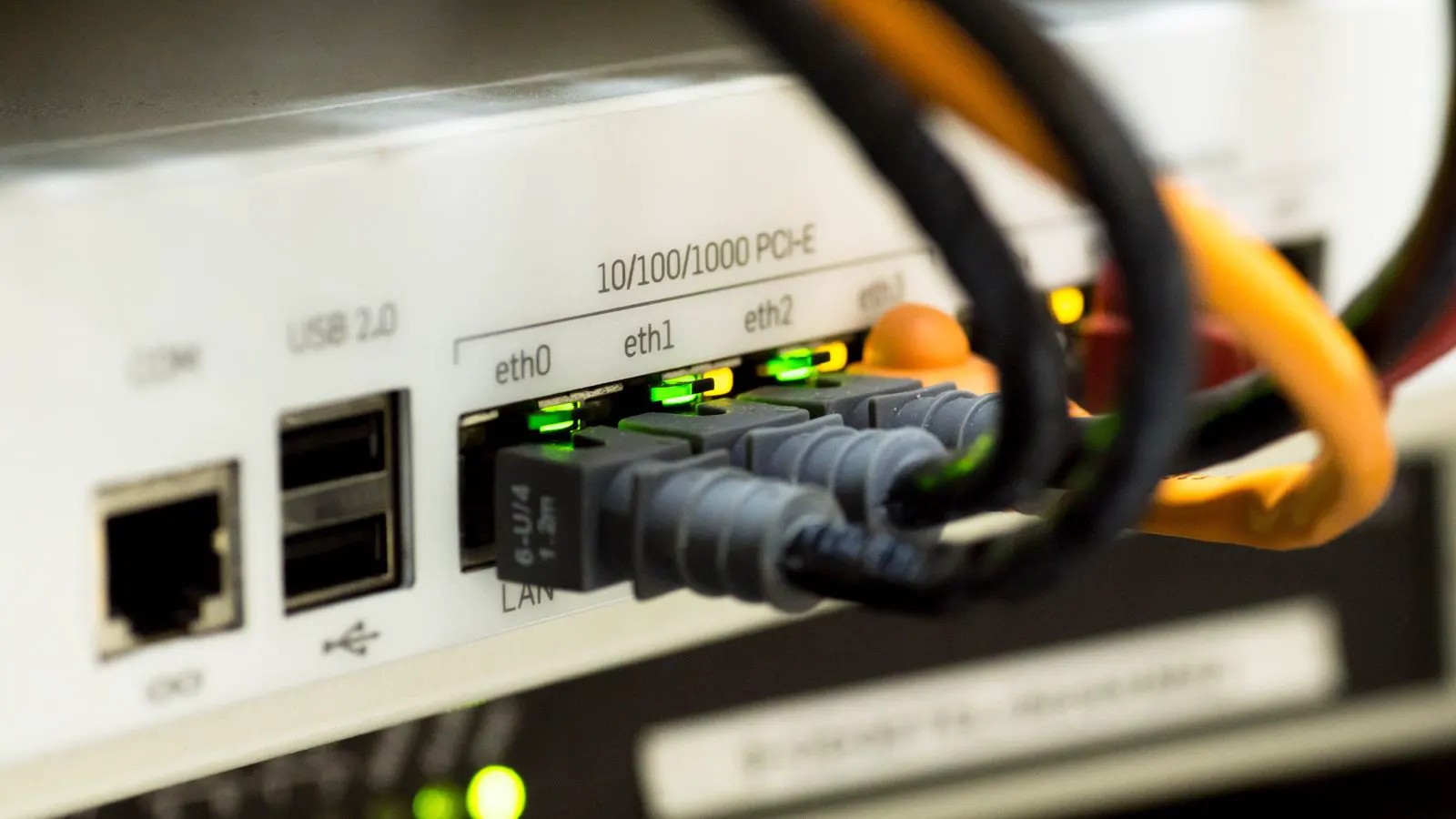
Power over Ethernet, or PoE, carries both data and electrical power over a single twisted pair cable. This design removes the need for separate power adapters at each camera and simplifies installation in hard-to-reach areas. Standard PoE, often called PoE or PoE 802.3af, delivers up to 15.4 watts per port. PoE+, defined by 802.3at, doubles that capacity to 30 watts. For secure remote sites, this difference determines which camera models can operate reliably without external power supplies.
Remote locations often lack convenient access to wall outlets. A single Ethernet cable running to a pole, a fence post, or a rooftop corner handles both the video stream and the power. This reduces maintenance. If a camera fails, a technician often needs to replace the unit or the cable, not the power adapter. For secure cameras, fewer components in the field means fewer points of failure and less exposure to tampering.
How Camera Power Draw Changes the Choice
The power requirement of a specific camera dictates the standard needed. A basic indoor or outdoor model with a small sensor and no active heaters may run comfortably on the standard 15.4 watts. Most modern surveillance units, however, draw more than that when they include active infrared illuminators, built-in heaters for cold climates, or higher resolution sensors that require more processing power.
A camera with a 5-megapixel sensor and a heater might draw 12 to 15 watts at room temperature. When the heater engages in freezing weather, that draw can exceed 20 watts. A standard PoE port will not sustain that load. The camera may reboot, lose video, or disconnect. PoE+ handles this range without issue. When specifying gear for a secure remote site, the power draw under the worst-case conditions, not the average, is the deciding factor.
The Comparison Table for Power Delivery Options
The table below compares the main power delivery approaches for remote surveillance deployments. It includes standard PoE, PoE+, PoE++ (802.3bt), and passive power injection.
| Option | Best for | Limitations |
|---|---|---|
| Standard PoE (802.3af) | Low-power indoor or mild-climate cameras | Cannot support heaters or high-draw sensors |
| PoE+ (802.3at) | Most outdoor and remote site cameras | Limited to 100-meter cable runs for full power |
| PoE++ (802.3bt) | High-resolution cameras with heavy IR or heaters | Requires compatible switches and more expensive cabling |
| Passive Power Injection | Small sites with limited switch port count | Adds points of failure and complicates network segmentation |
Standard PoE is rarely the right choice for a secure remote site unless the camera is a very low-draw model and the climate is mild. PoE+ is the default for most outdoor deployments. It supports the heaters and illuminators that remote sites need for reliable operation in bad weather. PoE++ is reserved for high-end units with massive power demands. Passive injection, where a power injector sits between the switch and the cable, is a workaround for older switches. It works, but it adds a physical component to the field that can be damaged or tampered with.
Cable Length and Voltage Drop
Power over Ethernet is not a magic stream. It is an electrical signal that loses voltage as it travels. The standard maximum distance for a single Ethernet run is 100 meters, or 328 feet. For standard PoE, the voltage drop over that distance can be significant. PoE+ handles the same distance more efficiently because it operates at a higher voltage, reducing the impact of resistance in the copper wire.
For remote sites, cable runs are rarely short. A camera on a perimeter fence post might be 50 meters from the NVR or switch. A rooftop unit might be 80 meters. At those lengths, using Cat 5e or Cat 6 cable is standard practice. Thicker wire gauges, such as Cat 7 or thicker copper, can reduce voltage drop but are more expensive and stiffer to install. The switch must also support the full power budget. Some low-cost switches advertise PoE+ but limit the actual power output to 15 or 20 watts per port to save on internal components. A secure camera deployment requires a switch that delivers the rated wattage consistently under load.
Network Compliance and Security Controls
Power delivery is only half the equation. Secure cameras also require network compliance. A remote site camera is a network endpoint that can be attacked if the network is not properly segmented. Connecting a surveillance camera to the same VLAN as office computers or guest Wi-Fi exposes it to lateral movement if a breach occurs.
The most common mistake in remote deployments is treating the camera network like a regular LAN. A secure approach isolates the surveillance VLAN. The NVR or VMS acts as the gateway for video playback and configuration. Cameras only talk to the NVR. They do not have direct access to the internet or internal business systems. This requires a managed switch with VLAN support and a firewall rule that blocks inbound traffic to the camera subnets except from the NVR’s IP address.
Authentication for the cameras is the second layer of compliance. Default usernames and passwords are a common failure point. Before installation, every camera must have a unique, strong password. If a camera is lost or stolen, the password must be reset remotely or physically. ONVIF profiles can be used for compatibility, but they must be locked down to specific clients. A secure remote site is one where the power is reliable and the network is a closed loop that only the operator can access.
When to Pick Each Option
For a small remote site with two or three standard outdoor cameras in mild weather, standard PoE may suffice if the power draw is verified under 15 watts. This is a niche case. Most operators will default to PoE+ for simplicity and future-proofing. If the site is in a cold climate, or if the cameras have built-in heaters and high-resolution sensors, PoE+ is the minimum requirement. It handles the thermal load without rebooting.
PoE++ is for specialized applications. A high-end thermal or multi-sensor unit that draws more than 30 watts needs it. For a typical secure remote site, PoE+ is the correct choice. It balances power capacity, cable length, and cost. Passive power injection is a fallback for sites where the switch has too few PoE ports. It works, but it adds a physical component that must be secured. In a hostile environment, a power injector in a junction box is a target for theft or damage. A managed switch with enough PoE+ ports is a cleaner solution.
Practical Checks Before Installation
Before wiring a remote site, verify the power draw of each camera model in the worst-case scenario. The manufacturer’s datasheet lists the typical power consumption. The worst-case figure includes the heater and maximum infrared illumination. If that number exceeds 15.4 watts, the camera needs PoE+. If it exceeds 30 watts, it needs PoE++.
Check the cable run length. If a run exceeds 80 meters, consider using thicker cable or splitting the run with an inline PoE extender, though this reduces the usable power at the camera. A 100-meter run is the practical limit for full power. If the site layout requires longer runs, a PoE extender with a separate power supply at the midpoint is an option, but it adds complexity.
Finally, segment the network. Assign the cameras to a dedicated VLAN. Configure the NVR to be the only device that can access that VLAN. Apply a firewall rule that drops all other traffic. This is the baseline for network compliance. A secure camera is not just a device that stays powered. It is a device that stays protected from the network attacks that target remote infrastructure.
Frequently asked questions
Can I use standard PoE for a remote site camera?
Only if the camera's power draw, including heaters and illuminators, stays below 15.4 watts. Most outdoor cameras exceed this limit, so PoE+ is the safer default.
What is the maximum cable length for PoE+?
The standard limit is 100 meters for a single run. Longer runs require thicker cable or a PoE extender, which reduces the power available at the camera.
Does PoE+ require a different type of cable than standard PoE?
No. Both use standard Cat 5e, Cat 6, or Cat 6a twisted pair cable. The difference is in the switch and the camera's internal power management.
How does network compliance affect remote camera security?
Compliance requires isolating the camera VLAN from other network traffic. The NVR should be the only device accessing the cameras, and all passwords must be changed from defaults.
Is a power injector a good solution for remote sites?
It works as a workaround, but it adds a physical component to the field. In a secure remote site, a managed switch with enough PoE+ ports is a cleaner and more tamper-resistant solution.